The Ultimate Guide to Cuban Sweets in Aurora CO
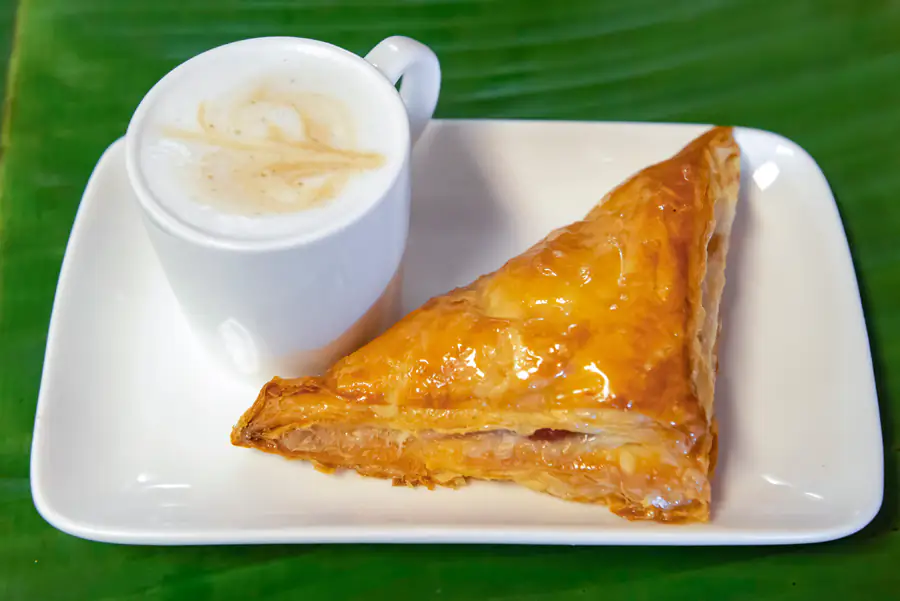
Aurora has become one of those food cities that rewards curiosity. You can drive a short stretch, stop in a modest strip mall, and find cooking with real roots, dishes that carry family memory, migration, and pride. Cuban sweets belong squarely in that category. They are not flashy in the way some trendy desserts are. They do not rely on novelty or overbuilt presentation. Their power comes from balance, restraint, and a deep understanding of texture, sugar, and dairy.
If you are searching for Cuban bakery Aurora CO options, it helps to know what makes Cuban sweets distinct before you walk up to the pastry case. A good Cuban bakery does more than sell dessert. It preserves habits of hospitality. It gives shape to celebrations. It turns coffee breaks into small rituals. It offers sweets that feel generous without always being heavy, familiar without being plain.
That matters in Aurora, where many diners want authenticity but may not have grown up with Cuban food. Walk into a bakery without context and you might recognize flan or guava pastry, yet miss the details that separate an average version from a memorable one. The goal here is simple: help you understand what to order, what to notice, and how to get the most out of a visit.
What makes Cuban sweets different
Cuban desserts are often discussed through a Spanish or broader Latin lens, which is partly fair, but it can flatten the specifics. Cuba’s pastry tradition reflects Spanish influence, yes, but also tropical agriculture, island practicality, and a cafe culture that prizes something sweet beside strong coffee. Many desserts lean on ingredients that are pantry staples in Cuban kitchens: sweetened condensed milk, evaporated milk, eggs, guava, coconut, cream cheese, puff pastry, and caramelized sugar.
The flavor profile is usually direct rather than layered for complexity’s sake. You taste guava clearly. You taste coconut clearly. The dairy notes in flan are pronounced. Cinnamon appears, but it rarely overwhelms. Citrus may brighten a filling or syrup, yet it usually plays support rather than lead. Compared with French patisserie, which often pursues delicacy and technical precision as its own kind of theater, Cuban sweets tend to feel more home-centered. Compared with some American desserts, they can be sweeter in spots, but also cleaner and less cluttered.
Texture matters just as much as flavor. A pastry should shatter a little. A flan should quiver, not slump. Bread pudding should hold together on the fork while still feeling moist. Even the humble cookie has a role to play in the rhythm of a bakery case, offering contrast to custards and fruit-filled pastries.
One of the easiest mistakes people make is assuming Cuban desserts are all rich and dense. Some are. Others are surprisingly light on the palate, especially when paired with espresso. That pairing is key. Cuban sweets were not designed to exist in isolation. They often make the most sense beside cafecito, cafe con leche, or a small after-meal coffee.
The bakery case, decoded
At a strong Cuban bakery, the sweets usually reflect two worlds at once: the celebratory dessert table and the everyday pastry counter. The first gives you whole cakes, flan for gatherings, bread pudding in large trays, and desserts intended for birthdays, baptisms, holiday tables, and weekend family meals. The second gives you guava pastries, turnovers, cookies, and slices that fit naturally into a morning or Cuban bakery Aurora CO midafternoon stop.
That distinction matters because freshness windows vary. Custard desserts often improve after proper chilling and resting. Puff pastry is at its best earlier in the day, when the layers still crackle and the filling has not softened the shell. Cakes depend on storage and frosting style. A bakery that turns over product quickly can do justice to all three categories. One with slower turnover might still produce excellent flan while struggling with delicate pastries that stale faster.
The visual cues are useful. Glaze should look deliberate, not gummy. Guava filling should appear vibrant and thick rather than watery. Coconut toppings should look moist, not dried out around the edges. Syrup-based desserts should glisten, not swim. None of this requires insider knowledge, but once you know what to scan for, choosing gets easier.
The classics worth seeking out
Guava may be the most iconic flavor in the Cuban pastry world, and for good reason. It offers sweetness with a tart edge and enough body to stand up to dough, cheese, and butter. The most common expression is the guava pastry, often made with puff pastry and either guava paste alone or guava with cream cheese. The best ones strike a neat balance. Too much guava and the pastry becomes sticky and one-note. Too much cheese and it starts drifting into generic danish territory. When done right, the filling tastes bright and fruity while the cream cheese rounds it out.
Flan is another benchmark. Almost every culture with Spanish influence has some version of caramel custard, but Cuban flan has its own sensibility. It tends to be smooth, rich, and deeply flavored with condensed and evaporated milk. A bakery’s flan tells you a lot about discipline in the kitchen. Overbake it and the texture turns grainy. Underbake it and the center slumps into a puddle. Burn the caramel too far and bitterness crowds out the milk notes. A clean slice with a satin texture and an amber caramel layer is a good sign you are in capable hands.
Tres leches appears in many Latin bakeries and restaurants, and while it is not exclusively Cuban, it often sits comfortably in a Cuban sweet selection. The danger with tres leches is obvious: it can become a soaked sponge with no structure left. The better versions absorb milk mixture generously but still retain a crumb. Some bakeries lean sweeter, some lighter. If you like a cooler, softer dessert, it is often a safe order, especially for people who find dense pastries too heavy.
Pastelitos deserve their own respect. The word simply means little pastries, but in practice it signals a category that can range from guava to meat to coconut, depending on the bakery. In the sweet lane, guava and guava with cheese usually lead. What separates a great pastelito from an ordinary one is lamination and restraint. You want defined layers, not compressed dough. You want filling that stays inside the pastry rather than leaking into a sticky ring on the tray.
Then there is bread pudding, often called pudin de pan in Cuban kitchens. This is not a dessert to overlook. In the hands of a careful baker, bread pudding becomes one of the smartest things in the case: humble ingredients transformed through patience. Good Cuban-style bread pudding usually shows more spice and caramel depth than flan, with a firmer bite and a little more rustic charm. If you enjoy desserts that taste homemade in the best sense, this is often the order that wins people over.
How Cuban sweets fit into the rhythm of a day
Many first-time customers treat the bakery case like a one-time event, something to sample after lunch or bring to a party. That is only part of the picture. Cuban sweets live comfortably in smaller moments. A guava pastry at 9 a.m. With coffee makes perfect sense. So does a slice of flan after dinner, or a shared box of pastries in an office break room.
Morning tends to favor pastries, especially those with guava, cheese, or light sugar glaze. Midafternoon is prime time for cafecito and something small. Evenings are where custards and cakes shine. If you are buying for a mixed group, variety matters more than volume. A box with different textures usually lands better than six of the same item. One flaky pastry, one custard dessert, one fruit-forward option, one coconut item, and one cake slice can cover a surprising range of preferences.
The coffee pairing is not optional if you want the full effect. Cuban coffee, especially a sweet, concentrated cafecito, changes how these desserts land on the palate. The slight bitterness and roasted intensity of espresso sharpen fruit flavors and tame sweetness. A dessert that seems sugary on its own can feel beautifully balanced next to coffee. I have seen this happen with hesitant customers more than once. They try a bite of guava pastry alone, pause, then take a sip of coffee and suddenly understand why the combination has endured for generations.
What to order if you are new to Cuban sweets
If you have never explored a Cuban bakery in Aurora CO, start with range rather than commitment. One large whole dessert is rarely the best first move unless you are buying for a group. Sampling reveals the bakery’s strengths and your own preferences.
A practical first order would include the following:
- A guava pastry, preferably one with cream cheese
- A slice or individual serving of flan
- One additional pastry or cake that catches your eye
- Cuban coffee, either cafecito or cafe con leche
That small spread teaches you a lot. You get fruit, dairy, pastry texture, custard texture, and the coffee pairing that ties the experience together. By the end, you will know whether you lean toward crisp and fruity, soft and creamy, or syrupy and rich.
Reading quality like a regular
Experienced bakery customers develop habits. They notice turnover. They ask what came out recently. They pay attention to temperature. A refrigerated dessert should be properly cold. A pastry should not taste as though it has sat under bright case lights half the day. If the staff seems proud to explain what is popular, what is fresh, or what families order for parties, that usually reflects confidence in the product.
One detail I watch is sweetness control. Cuban sweets are sweet by design, but good bakers know where to stop. The guava should still taste like fruit. The caramel on a flan should taste toasted, not scorched. Frosting should support cake, not bury it. This sounds obvious, yet it is where average bakeries often stumble. Sugar is cheap. Balance takes skill.
Another useful clue is consistency across categories. A bakery might have one standout item, but a place worth revisiting usually shows competence in multiple textures. Their custards set properly. Their pastries remain flaky. Their cakes are moist without collapsing. That kind of consistency almost always comes from disciplined prep and steady demand.
Sweet traditions behind the counter
Cuban sweets are tied to memory in a way that commercial desserts often are not. Ask someone what guava pastry means to them and you may hear about Sunday visits, grandparents, holiday trays, airport pickups, or afternoon coffee at the kitchen table. These associations matter because they shape what bakeries choose to make and how customers judge them.
A bakery serving a Cuban community is not just selling dessert, it is maintaining continuity. That explains why certain items remain simple. Not every pastry needs reinvention. Not every flan needs sea salt, exotic garnish, or layered mousse. Familiarity is part of the value. A dessert can be excellent precisely because it tastes like what it is supposed to taste like.
For newcomers, this is a gift. You are stepping into a living tradition with clear benchmarks. The challenge is not understanding a complicated dessert concept. It is learning to appreciate the elegance of forms that have been refined through repetition, family expectation, and the very practical standards of coffee culture.
Buying for parties, birthdays, and office gatherings
Large-format Cuban desserts perform especially well for gatherings because they tend to please broad audiences. Flan slices cleanly. Tres leches serves easily if chilled well. Guava pastries can anchor a breakfast spread. Sheet cakes and celebration cakes often appeal to guests who want something recognizable but a little more distinctive than a standard grocery bakery cake.
If you are ordering for a group, timing and transport matter. Custards need refrigeration and a level ride. Puff pastries lose their edge if boxed too long in steam or trapped heat. Cakes travel best when chilled before pickup. These are not glamorous details, but they make the difference between a dessert arriving intact and one arriving tired.
For office settings, pastries usually beat plated desserts. They are easier to share and do not require forks or refrigeration for immediate service. For family events, flan and cake often make more sense because they fit the pacing of a sit-down meal. If you are bringing dessert to a mixed crowd that may not know Cuban sweets, guava and cheese pastries are often the easiest ambassador. They are accessible, flavorful, and visually inviting.
The role of guava, coconut, and dairy
Three flavor families dominate many Cuban sweet menus, and understanding them helps you order with confidence.
Guava brings brightness and identity. It cuts through butter and cream cheese, and it gives pastries a tropical note without becoming perfumey. People who like fruit desserts but dislike excessive tartness often warm to guava quickly.
Coconut tends to appear in softer, richer formats, sometimes in cake, candy-like sweets, or fillings. It can tip heavy if handled poorly, but when used well it contributes aroma and chew. In a bakery case full of smooth custards and flaky pastries, coconut can provide welcome texture.
Dairy, especially in the form of condensed milk, evaporated milk, and cream cheese, creates the rounded sweetness that many people associate with Cuban desserts. This is where richness lives, but also where craftsmanship shows. Dairy-heavy sweets can become cloying fast. The best bakers keep them silky, not stodgy.
I often tell people that Cuban sweets make more sense when you think in contrasts. Guava against cheese. Caramel against custard. Coffee against sugar. Crisp pastry against soft filling. Once you notice those pairings, the menu becomes easier to navigate.
What Aurora diners should keep in mind
Aurora’s dining scene is broad, and that is a strength, but it can also blur expectations. Some bakeries serve pan-Latin selections. Some lean heavily Cuban. Some combine savory and sweet offerings in ways that make them ideal for a full stop rather than a dessert-only visit. That means your experience may vary even when the sign suggests a similar concept.
Do not assume every place with a Latin pastry case will handle Cuban specialties equally well. Ask what they are known for. Notice what sells out first. Watch what regulars order. If a bakery has a strong Cuban base, the clues are usually right there in the room: people ordering pastries by their Spanish names, coffee moving steadily, and staff answering questions without hesitation.
It also helps to go at the right time. Earlier in the day usually favors pastries. Midday can be best for a broader selection. Late evening may still work for custards and cakes, but flaky items are less likely to be at peak texture. These are not hard rules, but they improve your odds.
A smart way to explore without overordering
When people get excited in a bakery, they overbuy. I understand it. Everything looks manageable in the case, then suddenly the box is full and half the pastries sit overnight. Some items survive that well. Others do not.
A better approach is to buy with purpose. If you want to taste widely, share with another person. If you are heading home Cuban cafe Aurora CO with dessert for later, favor items that hold up better in the refrigerator, such as flan or tres leches. If you plan to eat immediately, prioritize pastries whose texture matters most right out of the case.
Keep this quick rule of thumb in mind:
- Eat flaky pastries as soon as possible
- Chill custard desserts until serving time
- Pair sweet items with coffee, not very sugary drinks
- Buy smaller variety boxes before committing to a large cake
- Ask what is freshest that day
That advice sounds modest, but it solves most first-visit mistakes.
Why Cuban sweets keep winning people over
There is a reason people return to Cuban bakeries with unusual loyalty. The desserts offer comfort without laziness. They feel celebratory without requiring a special occasion. They are sweet, yes, but rarely empty. There is structure behind them, memory behind them, and a culture of hospitality that gives them context.
Aurora is exactly the kind of city where those qualities matter. Diners here are used to seeking out hidden gems and judging food on substance rather than polish. Cuban sweets fit that mindset beautifully. A perfect pastelito in a paper bag can be more satisfying than an ornate plated dessert downtown. A chilled slice of flan after a long workday can do more than a trendy confection that photographs well but eats poorly.
If you are looking for the best Cuban bakery Aurora CO experience, start with curiosity and a little patience. Learn the classics. Order coffee. Notice texture. Go back for the item that keeps crossing your mind a day later. That is usually the sign you found the right bakery, and the right sweet.
Cuba Bakery & Café
15028 E Mississippi Ave, Aurora, CO 80012
+1 303-752-2822
FAQ About Cuban bakery Aurora CO
What are Cuban pastries called?
Many small Cuban pastries are called pastelitos. They can have sweet or savory fillings, such as guava, cheese, guava and cheese, or seasoned meat. Cuba Bakery & Café lists guava, cheese, guava-and-cheese and beef pastries on its menu. Ask the bakery about current availability and ingredients when ordering.
What are traditional Cuban pastries?
Common Cuban bakery choices include flaky pastelitos filled with guava, cheese or meat. Cuban bakeries may also offer empanadas, breads and desserts alongside coffee. Cuba Bakery & Café lists pastelitos, several empanada fillings, pan Cubano and desserts such as tres leches and bread pudding. Selection can vary, so confirm the day's choices with the bakery.
What makes Cuban bread different?
Cuban bread is known for its light interior and a thin crust that becomes crisp when toasted or pressed. Traditional recipes often use lard, although ingredients vary by baker. It is commonly served as buttered toast or used for Cuban sandwiches. Cuba Bakery & Café lists pan Cubano and tostada on its menu; ask staff about the ingredients in their bread if you have dietary restrictions.