Find Authentic Cuban Flavor Close to Home in Aurora CO
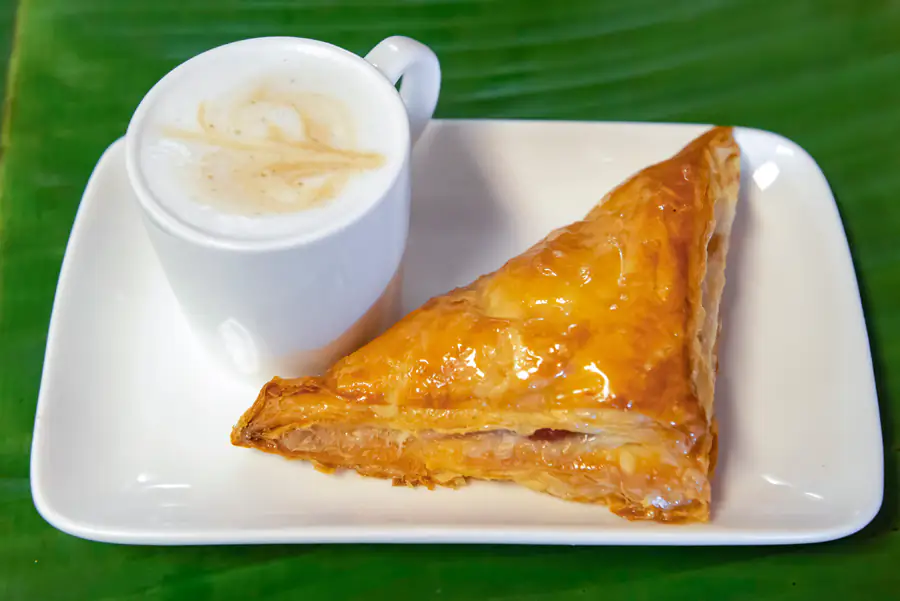
Aurora has never been a city that fits into a single culinary lane. One neighborhood leans Korean, another Ethiopian, another Mexican, and somewhere between busy arterial roads, suburban shopping centers, and family-run storefronts, you can still stumble onto food that feels deeply personal. That matters when you are looking for Cuban flavor. Good Cuban food is not just about a pressed sandwich or a sweet pastry in a display case. It is about balance, restraint, and memory. Garlic should be assertive but not harsh. Citrus should brighten, not dominate. Pork should taste seasoned all the way through, not just on the surface. Bread should crackle lightly, then give way.
For people searching for a Cuban bakery Aurora CO locals would return to more than once, the standard is higher than novelty. You are not looking for a place that adds one Cuban item to an otherwise generic menu. You are looking for the smell of baked dough early in the day, guava and cream cheese done properly, espresso with a dark, syrupy edge, and savory pastries that taste like somebody in the kitchen cares about each tray.
That kind of authenticity can be harder to define than people think. It is rarely theatrical. It does not need a wall full of vintage Havana posters to feel convincing. It usually shows up in the details, in the way the pastry flakes without crumbling into dust, in the sweetness level of a pastelito, in the ratio of ham, roast pork, pickles, and mustard on Cuban bread. It also shows up in consistency, because one excellent bite means less than a bakery that gets it right every morning.
What “authentic Cuban flavor” really means
People often use the word authentic loosely, and sometimes unfairly. Food evolves. Recipes shift when families move, ingredient availability changes, and communities adapt. The Cuban food many people know in Florida, especially in Miami, reflects decades of migration, local supply, and neighborhood tradition. A bakery in Colorado has different conditions to work with. The altitude affects dough, proofing, texture, and bake times. Certain ingredients may cost more or arrive less frequently. Even so, there are markers of Cuban baking and café culture that travel well when handled by experienced hands.
A real Cuban bakery experience usually combines sweet and savory in equal measure. You might walk in intending to buy a loaf of bread and leave with croquetas, pastelitos, a café con leche, and something guava-filled for later. The display case matters, but so does the counter rhythm. Cuban bakeries often feel brisk without being cold. Regulars know what they want. Newcomers are usually pulled in by aroma first, then by curiosity.
Bread is one of the clearest signals. Cuban bread should not feel like French bread in disguise. It needs a delicate crust and a soft interior that can support a sandwich press without turning tough. Then there are the pastries. Pastelitos de guayaba are probably the best known, but the category is broader than many casual diners realize. Guava with cheese, coconut, meat-filled pastries, and puff pastry variations all have their place. When done well, they are rich but never greasy.
Savory items tell an even fuller story. Croquetas should be creamy inside, with a crust that is crisp rather than heavy. Empanadas and meat pies should have distinct filling textures, not a mushy sameness. If the bakery serves hot food, ropa vieja, lechón, picadillo, black beans, and rice reveal how seriously the kitchen approaches foundational flavors. None of this needs to be fussy. Cuban food is often humble at heart. It wins through repetition, patience, and seasoning.
Why Aurora is a good place to look
Aurora rewards people who eat with intention. It is spread out, and at first glance it can feel more practical than charming. Yet some of the metro area’s most memorable small food businesses are tucked into strips and corners that do not advertise themselves loudly. That is often where immigrant-owned and family-run spots survive, build regular followings, and quietly produce food far better than the average passerby expects.
That matters for Cuban food because bakeries thrive on community patterns. They need morning coffee traffic, lunch traffic, and customers who come back for pastries to bring home. In a place like Aurora, where families from many backgrounds have put down roots, a bakery does not need to appeal only to Cuban customers to succeed. It needs to make food that holds up to scrutiny from people who know it intimately while also being approachable to curious first-timers.
There is another practical advantage. Aurora sits close enough to the wider Denver metro area that good specialty food businesses can draw from a broad customer base. If a Cuban bakery establishes a reputation for excellent bread, savory pastries, and strong coffee, people will drive for it. That is not hypothetical. Across the Front Range, diners routinely cross city lines for dumplings, tacos, barbecue, injera, bánh mì, and pastries. Cuban food can inspire the same loyalty when it is done right.
The signs you have found the right Cuban bakery
When I am sizing up a bakery for authenticity and staying power, I pay attention to cues that have nothing to do with branding. Some become obvious within five minutes of walking in. Others only reveal themselves after a second or third visit.
Here are the signs that usually matter most:
- The bread and pastries look actively replenished, not like they have been sitting untouched for hours.
- The coffee program is simple but serious, with café cubano, cortadito, or café con leche prepared confidently.
- Savory items smell seasoned, buttery, and toasted, not merely warmed.
- Staff can explain what is in a pastry or sandwich without hesitation.
- Regulars seem to know the routine, and many order in Spanish or shorthand.
None of those factors alone guarantees excellence, but together they paint a reliable picture. Fresh turnover is especially important. Pastries that spend too much time under bright case lights lose the contrast that makes them appealing. A guava pastry should still have some lift. A ham croquette should not sag. Pressed sandwiches should be made to order, or at least finished to order, so the bread keeps its character.
Coffee is another revealing test. Cuban coffee culture is compact, direct, and unapologetically bold. A café cubano should taste deeply roasted and sweet, with enough concentration that a small cup feels complete. If the espresso tastes flat or watered down, the rest of the menu may follow the same pattern.
What to order when you want the full picture
If you are visiting a Cuban bakery in Aurora for the first time, do not start with only one item. Cuban baking is best understood as a spread of textures and temperatures. Something hot, something flaky, something sweet, and something caffeinated will tell you much more than a single sandwich.
A strong first visit might include a pressed Cuban sandwich, a guava and cheese pastry, one savory pastry or croqueta, and coffee. That combination covers the bakery’s most important skills. The sandwich tests bread, meat quality, assembly, and pressing technique. The pastry tests dough handling and sweetness balance. The savory item reveals whether fried or baked snacks get the same care as the marquee products. The coffee tests whether the place understands the café side of the tradition, not just the pastry case.
If the bakery offers a daily special or prepared hot entrée, that is worth considering too. Roast pork is often a strong benchmark. Good lechón has visible seasoning, a moist interior, and citrus-garlic depth that reaches beyond the outer layer. Black beans should taste simmered and rounded, not simply salted. Rice should support, not disappear.
One common mistake among first-time customers is ordering only sweet pastries. There is nothing wrong with starting there, especially if guava is your weakness, but Cuban bakeries shine in contrast. The sweet feels better next to the savory. The coffee cuts through both. A proper visit should leave you with a sense of range.
The role of bread, and why altitude changes the equation
Anyone who has baked in Colorado knows altitude is not a footnote. It changes how dough behaves, how quickly moisture escapes, and how easily a crust can overdevelop. That makes a well-executed Cuban bakery in Aurora all the more impressive. Bread that would be straightforward at sea level can turn temperamental here.
Cuban bread depends on touch. Bakers need enough structure to hold fillings and enough softness to remain tender under pressure. In dry conditions, there is a constant fight against staleness. A bakery that manages to keep bread lively through a lunch rush is doing real work behind the scenes. Hydration adjustments, proofing control, and bake timing all matter.
Pastries face similar challenges. Puff pastry can go from crisp to brittle if overbaked in a dry environment. Fillings can feel too dense if moisture is not managed carefully. That is why it is wise to judge a bakery not just on flavor but on texture. In Colorado, texture is often where skill reveals itself first.
This is also where local adaptation deserves respect. Authenticity does not mean pretending Aurora is Miami. A baker working at altitude may need to make technical adjustments that never appear in a family recipe card. If the result preserves the spirit and flavor of the original while accounting for local conditions, that is not compromise. That is craft.
Sweet pastries that should never taste one-note
Guava pastries often get the attention, and for good reason. The best ones balance floral fruitiness with buttery layers and, when cheese is added, a mild creamy counterpoint. But the larger point is balance. Cuban pastries should not clobber you with sugar. Their appeal often lies in how controlled the sweetness is. They are indulgent without becoming sticky or exhausting.
That same principle applies across the case. Coconut pastries should taste like coconut, not just sugar. Custard-based items should be smooth and lightly set. Fruit fillings should still taste of fruit. If every pastry lands at the same sweetness level, the bakery may be chasing broad appeal instead of precision.
A good bakery also respects scale. Oversized pastries can look generous but eat poorly. Many Cuban bakery favorites work best when they are modest enough to pair with coffee or accompany a savory order. The experience should invite one more bite, not create fatigue halfway through.
Savory staples separate serious bakeries from casual imitators
It is relatively easy to make a decent sweet pastry. Savory items are less forgiving. Seasoning has to be exact. Fillings need distinct identity. Frying oil or baking times can ruin what would otherwise be excellent recipes.
Croquetas are a classic example. A good croqueta should feel almost delicate. The shell is crisp, but the interior stays supple and flavorful. Ham croquetas are common, though chicken and other variations can appear depending on the bakery. The challenge is restraint. Too much salt and they become aggressive. Too much binder and they turn pasty.
The Cuban sandwich, of course, is the most visible test. People argue endlessly about details, but the basics are not complicated: good bread, roast pork, ham, Swiss cheese, mustard, and pickles, pressed until the exterior is crisp and the interior melds. Where bakeries fail is often in proportion. Too much mustard can flatten the pork. Too many pickles can push everything into acidity. Dry pork is the unforgivable flaw. If a bakery gets the sandwich right, it usually signals competence across the board.
Picadillo, if offered, is another useful benchmark. It should taste savory first, not sugary, with tomato, spice, and briny accents in balance. Black beans deserve equal respect. They should be earthy, aromatic, and cooked long enough to feel complete. People sometimes treat beans and rice as background, but in many kitchens they reveal more truth than the flashy items.
What locals often value most
Customers looking for a Cuban bakery Aurora CO option often care about more than menu authenticity. They want reliability. They want to know whether the place is worth a weekday morning stop, whether pastries sell out early, whether parking is easy, whether ordering for a family gathering makes sense, and whether the food travels well.
Those practical factors shape repeat business more than online hype does. A bakery that offers excellent food but erratic hours or inconsistent stock can still become beloved, but it usually remains a special-trip destination rather than a habit. By contrast, a bakery with strong systems, fresh turnover, and clear communication becomes part of people’s routines.
Locals also notice hospitality. The best neighborhood bakeries make room for regulars without making newcomers feel slow or out of place. That can be as simple as patient explanations for first-time guests, or as efficient as having popular items visible and easy to order. In multicultural cities, warmth and clarity go a long way. A customer does not need to know every pastry by name on day one. They just need enough guidance to order well and enough quality to want to return.
Ordering for gatherings, office breakfasts, and family weekends
Cuban bakery food shines in group settings because it scales naturally. Pastries are easy to share. Croquetas hold well for short periods. Sandwiches can anchor a casual lunch spread. Sweet and savory balance each other, so the table feels generous without becoming repetitive.
If you are ordering for a group, the smartest approach is variety rather than volume of one item. Office breakfasts, especially, benefit from mixing sweet pastries with a few savory options and coffee. Family weekends lean even more comfortably into abundance. A box of guava pastries disappears faster than most hosts expect, particularly when there are children, grandparents, and late arrivers drifting in and out of the kitchen.
A few practical pointers help:
- Order earlier than you think you need to, especially on weekends or holidays.
- Ask which items travel best if the food will sit for more than thirty minutes.
- Include both sweet and savory choices, even for morning gatherings.
- Reheat pressed or fried items briefly rather than microwaving them to death.
That last point is worth emphasizing. Pastries can tolerate room temperature fairly well, but pressed sandwiches and fried snacks lose texture quickly in a microwave. A short pass in an oven or toaster oven preserves far more of what made them good to begin with.
How to spot quality if you did not grow up with Cuban food
Not every customer has a reference point, and that is fine. You do not need childhood familiarity to recognize strong Cuban baking. Start with what your senses tell you. Freshness is visible. Balance is tasteable. Care is obvious.
Look for pastries with definition, not collapse. Look for fillings that stay where they belong. Smell the bread. Listen for the slight crackle of a pressed sandwich. Notice whether the coffee tastes intentional or generic. Ask the staff what moves fastest or what they are proud of. Good businesses usually answer that kind of question with confidence, not with a sales script.
It also helps to compare categories rather than hunting for a single perfect item. Maybe the sandwich is very good but the pastry is average. Maybe the coffee is excellent and the hot entrées are the hidden strength. One visit gives you a snapshot. Two or three visits give you a pattern. Neighborhood gems often reveal themselves that way, not with dramatic first impressions but with repeated competence.
Why authenticity and accessibility can coexist
There is a tired assumption in food writing that authentic food must be intimidating or inaccessible. That has never matched reality in the best bakeries. The strongest Cuban spots are often welcoming because they know the food can carry the story. A customer may not know the language, the regional nuances, or the family histories behind certain recipes, but they understand buttery pastry, roast pork, good coffee, and bread baked with attention.
Accessibility becomes a strength when it does not dilute the core. A bakery https://cashguvu498.evergrovio.com/posts/why-cuban-bakery-aurora-co-is-a-local-favorite-for-sweet-treats can explain menu items clearly, offer approachable service, and still hold the line on flavor. In fact, that is how culinary traditions stay alive outside their places of origin. They are preserved not by becoming museum pieces, but by being made, sold, eaten, shared, and folded into daily life.
That is especially true in a city like Aurora, where the local dining culture rewards sincerity over spectacle. If a bakery delivers true Cuban flavor through disciplined baking, careful seasoning, and dependable hospitality, word spreads. People bring coworkers. Neighbors stop in after errands. Families order boxes for birthdays and Sunday afternoons. Before long, it becomes less of a hidden gem and more of a fixture.
For anyone still searching for that kind of Cuban bakery Aurora CO residents can genuinely claim as their own, the good news is that authentic flavor does not require a flight to South Florida or a long detour across the state. It requires attention, standards, and a willingness to recognize the places that get the small things right. In Cuban baking, the small things are usually the big things: the bread, the press, the pastry layers, the coffee, the seasoning, the warmth behind the counter.
When those pieces come together, you do not just find a meal. You find a place worth revisiting, the sort of bakery that becomes part of the week rather than an occasional stop. And that is usually the clearest sign you have found the real thing close to home in Aurora.
Cuba Bakery & Café
15028 E Mississippi Ave, Aurora, CO 80012
+1 303-752-2822
FAQ About Cuban bakery Aurora CO
What are Cuban pastries called?
Many small Cuban pastries are called pastelitos. They can have sweet or savory fillings, such as guava, cheese, guava and cheese, or seasoned meat. Cuba Bakery & Café lists guava, cheese, guava-and-cheese and beef pastries on its menu. Ask the bakery about current availability and ingredients when ordering.
What are traditional Cuban pastries?
Common Cuban bakery choices include flaky pastelitos filled with guava, cheese or meat. Cuban bakeries may also offer empanadas, breads and desserts alongside coffee. Cuba Bakery & Café lists pastelitos, several empanada fillings, pan Cubano and desserts such as tres leches and bread pudding. Selection can vary, so confirm the day's choices with the bakery.
What makes Cuban bread different?
Cuban bread is known for its light interior and a thin crust that becomes crisp when toasted or pressed. Traditional recipes often use lard, although ingredients vary by baker. It is commonly served as buttered toast or used for Cuban sandwiches. Cuba Bakery & Café lists pan Cubano and tostada on its menu; ask staff about the ingredients in their bread if you have dietary restrictions.